
- By Phoenix Roofing
- ParmaRoofingCompany
- 0 Comment
10 Signs You Need a New Roof (Parma, Ohio Homeowner Guide)
Key Takeaways
The most reliable signs you need a new roof include age (20+ years for an asphalt shingle roof), recurring leaks or ceiling stains, widespread missing or curling shingles, sagging roof decking, and heavy granule loss in gutters.
In Parma and surrounding areas – Parma Heights, Seven Hills, Brooklyn, Brooklyn Heights, Independence, Middleburg Heights, North Royalton, and Brook Park – harsh freeze–thaw cycles and lake-effect storms mean roofs often need replacement sooner than their rated lifespans.
Homeowners should never climb on their roof. Instead, schedule a free roof inspection with a local roofing contractor in Parma to confirm whether roof repair or full roof replacement is the smarter option.
Catching roof replacement signs early can save thousands of dollars by preventing structural damage, mold growth, and energy loss – and can also make any homeowners insurance claim process smoother if storm damage is involved.
Introduction: How to Tell When You Really Need a New Roof
Many homeowners in Parma wait until they see water leaking from the ceiling before thinking about a new roof. But the most important signs show up months or even years before that first drip. If your current roof is over 20 years old, you’re finding missing shingles after storms, shingles are curling or cracking across multiple areas, or you keep noticing water stains on ceilings, it’s time to call a roofing contractor in Parma for a professional roof inspection.
Parma Roofing Company has inspected and replaced thousands of asphalt shingle roofs across Parma, Parma Heights, Seven Hills, Brooklyn, Brooklyn Heights, Independence, Middleburg Heights, North Royalton, and Brook Park. This guide covers the top 10 roof replacement signs, when roof repair vs roof replacement makes sense, common issues on Parma homes, what happens if you wait too long, a safe DIY roof check, and a local-focused FAQ – all drawn from real roofs in Northeast Ohio’s demanding climate.
Looking for expert roofers in Parma Heights?
Phoenix Roofing & Solar is your #1 Parma roofer.
Make an appointment now!
Why Replacing Your Roof at the Right Time Matters
A roof is a complete system – shingles, underlayment, flashing, ventilation, and decking all work together. Replacing roofs at the right time protects every layer and the house below. Here’s what’s at stake:
Interior water damage: Leaks can ruin ceilings, walls, flooring, and belongings. Cleveland’s climate including snow and freeze-thaw cycles accelerates roof wear, turning small shingle issues into major interior damage if homeowners wait too long.
Roof deck and structural protection: Once moisture penetrates underlayment and decking, wood rot and mold can develop – leading to expensive structural repairs when you finally replace a roof.
Home value and curb appeal: A worn or damaged roof reduces resale value and raises red flags during buyer inspections. A home inspector in Parma’s competitive market will flag visible signs of deterioration immediately.
Energy efficiency: A deteriorated or poorly ventilated roof lets conditioned air escape, overworking HVAC systems and driving up energy bills, especially during Northeast Ohio winters.
Avoiding emergency repairs: Planning a scheduled roof replacement under good weather is far less stressful and costly than emergency tarps and rush jobs during storms.
Insurance eligibility: Some insurance companies may limit coverage or deny roof-related claims if a roof is clearly past its expected lifespan or poorly maintained, making timely replacement a risk management decision.
Once your roof passes 15 years of age, schedule a professional inspection every few years to stay ahead of problems.
10 Signs You Need a New Roof
No single sign always means you absolutely need a new roof. But when several of the following common signs show up together on your current roof, replacement is usually the most cost effective solution. These roof replacement signs come from real inspections of asphalt shingle roofs in Northeast Ohio, where lake-effect snow, high winds, and hail routinely stress roofing systems. Use this section as a checklist – mark any signs you see from ground level or inside your attic.
1. Your Roof Is More Than 20 Years Old
Age is one of the clearest signs you may need a new roof. Most asphalt shingle roofs last between 15 and 30 years, but the specific type matters:
Three-tab shingles: About 15–20 years. Traditional asphalt shingle roofs last around 20 years under ideal conditions.
Architectural shingles: Last 25 to 30 years with proper attic ventilation and regular maintenance.
Designer shingles: Sometimes 30–40 years with quality installation.
Most asphalt shingle roofs in Northeast Ohio last around 20 to 30 years, but harsh winters, ice dams, and poor roof ventilation can shorten those numbers by several years. A 17–18 year old roof in Parma might be functionally old. To find your roof’s age, review closing documents, check building permits with the city, or ask a local roofer Parma homeowners trust to estimate age based on shingle style and normal wear.
2. Missing or Blown-Off Shingles
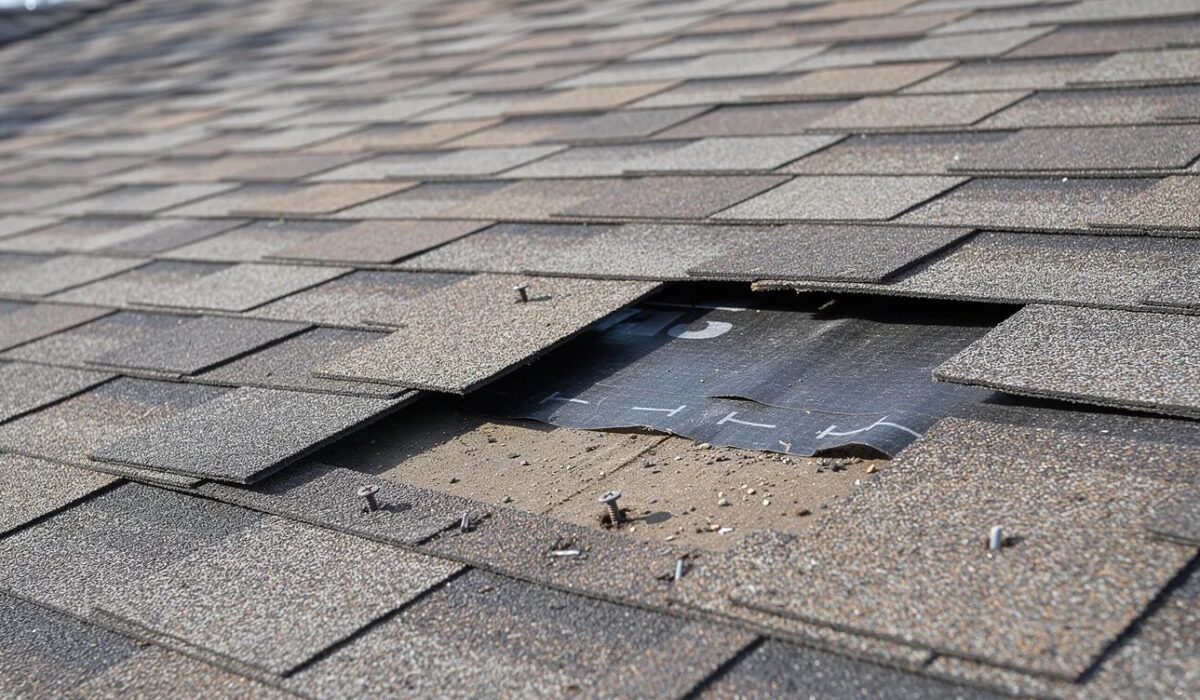
Missing shingles appear as lighter-colored or dark patches on your roof, often visible from the street after a windstorm. On older bungalows and ranch homes in Parma and North Royalton, this is one of the most frequent issues.
A few shingles missing in one small area can sometimes be repaired. But repeated shingle loss in different areas – or blow-offs in winds that neighbors’ roofs survived – suggests the whole roof is failing. Missing shingles expose underlayment and sometimes bare decking, dramatically increasing leak risk during heavy rain or snowmelt.
Storm-related shingle loss might be covered by homeowners insurance. Document damage with photos and contact both your insurance company and a roofing contractor Parma residents rely on for storm inspections. If large sections are missing or new shingles have been patched multiple times, you likely need to replace the roof.
3. Curling, Cracked, or Buckling Shingles
Curling shingles have edges lifting up. Clawing means the centers are raised. Buckling creates wavy sections across the surface. These conditions are common on aging asphalt shingle roofs exposed to Parma’s sun, snow, and freeze–thaw cycles.
UV exposure, thermal expansion, and trapped attic moisture cause roof shingles to dry out, crack, and lose flexibility over time. Curling or missing shingles indicate roof deterioration, and curling, cracking, or missing shingles indicate potential roof failure when the damage spreads across multiple slopes.
A few isolated damaged shingles can sometimes be swapped out. But widespread curling or buckling typically signals the end of the roof’s service life. Heavily curled shingles catch wind more easily, leading to more harm during strong Lake Erie–fed storms. When entire sections show these other signs of distress, investing in a new roof is usually more cost effective than replacing individual shingles one by one.
4. Granules Collecting in Your Gutters
Asphalt shingles are coated with small protective granules that shield the roofing material from UV rays. Granules in gutters indicate shingles are deteriorating – and it’s one of the earliest visible signs of an aging roof.
A little granule loss in the first year after installation is normal. But heavy amounts of coarse “sand” in gutters or at downspout exits on a 10–15+ year old roof signals significant wear. Visible dark granules in gutters may signal shingles are shedding their protective coating. Excessive granule loss points to aging asphalt shingles that are becoming brittle, more likely to crack, and less able to protect your home.
Homeowners in Parma, Brooklyn, and Brook Park should check their gutters each spring and fall for shingle granules when cleaning debris. Granules in gutters suggest shingles are breaking down across the roof surface. When granule loss is widespread across multiple areas, patch repairs are rarely effective and a full roof replacement is usually needed within the next couple of seasons.
5. Roof Leaks or Ceiling Stains
Water stains on ceilings indicate potential roof leaks. Look for brown or yellow marks on ceilings or walls, peeling paint near the roofline (which can signal water intrusion), bubbling drywall, or musty smells in upper floors or attics. Mold or musty smells suggest water damage inside the home that may be hidden behind walls.
Water often travels along rafters and drywall before showing up, so a stain in a hallway ceiling doesn’t always line up directly under the leak location. Even small roof leaks can lead to mold growth, wet insulation, and hidden underlying damage if left untreated during Northeast Ohio’s long wet seasons.
When does roof repair make sense versus full replacement? One isolated, easily traced leak on a relatively young roof might be repairable. But frequent leaks may indicate the roof is beyond repair – especially when active leaks appear in multiple rooms or keep returning after past fixes. If leaks started right after a hail or windstorm, document the damage immediately and call both a roofing company Parma Ohio trusts and your insurance company.
6. Sagging Roof Deck
A healthy roofline looks straight when viewed from the street. Dips, low spots, or a visibly wavy surface may indicate sagging decking or compromised structural supports. Sagging rooflines indicate weakened structural supports that demand immediate attention.
Heavy winter snow loads can warp and damage roof decking and rafters on older Parma homes. Long-term moisture intrusion and ice dams along the eaves further weaken wood decking. Structural damage from long-term moisture intrusion indicates the need for replacement – not just patching.
A sagging roof is a serious safety concern. Homeowners should not walk on or attempt DIY repairs on a roof that appears to sag. Instead, schedule a prompt professional roof inspection Parma specialists can provide. In many sagging cases, replacing roofs involves both a full tear-off and structural repairs to the roof deck, making early detection critical to keeping repair costs manageable.
7. Damaged Flashing Around Chimneys, Walls, and Valleys
Roof flashing is the metal pieces installed around chimneys, skylights, plumbing vents, and where the roof meets walls to keep water from sneaking into vulnerable joints. On Parma homes, the most common types include chimney flashing, step flashing along sidewalls and dormers, and valley flashing where two roof planes meet.
Look for rusted metal, cracked caulking or sealant, loose or missing flashing pieces, or water stains and soft wood around chimneys and skylights. Damaged flashing can lead to leaks during storms and require replacement even when the shingles themselves look fine.
Localized flashing damage on a younger roof may be repairable. But widespread flashing failure combined with old, brittle shingles usually signals the need for a full new roof with a properly integrated flashing system. Many of the worst leaks on Parma-area homes come from aging flashing rather than the shingles themselves.
8. Moss, Algae, Dark Streaks, or Persistent Moisture
Green moss growth, black algae growth, and dark streaks are common on shaded roof sections in Parma, especially on north-facing slopes and homes near trees in neighborhoods like Parma Heights and North Royalton.
Dark streaks are often cosmetic algae growth. Thick moss is more dangerous – moss growth on roofs can trap moisture and cause damage by lifting shingle edges and stripping granules. Widespread moss or algae growth can lift shingle edges and cause leaks over time. Don’t power wash or aggressively scrape moss yourself, as this can strip granules and void shingle warranties. Consult a roofing professional instead.
Algae alone doesn’t always mean you need a new roof. But moss combined with other signs – granule loss, curling shingles, or leaks – is a strong indicator that you may need to replace the roof. Modern replacement shingles are available with algae-resistant technology, which Parma Roofing Company can recommend for roofs prone to persistent moisture.
9. Frequent Roof Repairs
After about 15–20 years, many homeowners start calling every year or two for small fixes – replacing a few shingles here, sealing flashing there, patching minor leaks. While occasional repairs are part of regular maintenance, frequent repairs in multiple areas indicate systemic aging where the overall shingle field and underlayment are breaking down.
Compare the long-term cost of repeated service calls, interior patching, and stress versus investing once in a full replacement you can count on for decades. Repairs over 30% of a new roof’s cost suggest replacement is smarter from a financial standpoint. If repairs never seem to fully solve the problems, the costly repairs will keep adding up.
A full roof replacement also resets manufacturer and workmanship warranties, providing better protection than piecemeal fixes on an old roof. Most homeowners find this is where they save money in the long run.
10. Storm Damage (Wind, Hail, and Falling Branches)
Parma and nearby communities regularly experience windstorms, hail, and severe thunderstorms. Heavy rain combined with strong winds can exacerbate roofing issues even on relatively newer roofs.
Visible signs of major storm damage include missing shingles, lifted or creased shingles, impact marks from hail, dented metal flashing or gutters, and fallen trees or branches on the roof. Hail damage can be subtle – bruised shingles and granule loss may not leak immediately but shorten the roof’s life expectancy and may justify a replacement through an insurance claim.
Document storm damage with dated photos, avoid going onto the roof, and contact both your homeowners insurance company and a roofing contractor Parma trusts for a thorough storm damage inspection. Homeowners insurance may cover roof replacement costs for storm damage. Parma Roofing Company can help navigate insurance claims, provide documentation, and recommend whether roof repair or full replacement is the best long-term solution after a big storm.
Roof Repair vs. Roof Replacement
Not every roof problem means you definitely need a new roof. Sometimes a targeted repair is the right move. Here’s how the two options compare:
Factor | Roof Repair | Roof Replacement |
|---|---|---|
Cost | $300–$2,000 per job | $8,000–$15,000 for a typical Parma home |
Longevity | Extends life 2–5 years | 20–30+ years with new shingles |
Scope | Isolated patches, single slopes | Whole roof tear-off and rebuild |
Warranty | Limited to repaired area only | Full manufacturer + workmanship warranty |
Disruption | A few hours to a day | 1–3 days typically |
Best For | Roof under 12–15 years, isolated damage | Roof 20+ years, multiple issues, widespread damage |
Repair is typically best when the roof is relatively young, damage is confined to a small area, and the rest of the shingles are in good condition. Replacement is the better value when the roof is nearing or past its expected lifespan, there are multiple leaks, widespread missing or curling shingles, or extensive storm damage.
Parma Roofing Company helps homeowners decide by providing honest, photo-documented roof inspection reports with separate estimates for repair vs. replacement when both options are viable. While replacement has a higher upfront cost, it delivers better long-term value, stronger warranties, and potentially better energy performance.
Common Roofing Problems Found on Parma Homes
Parma and surrounding suburbs have many older bungalows, Cape Cod homes, and ranch-style houses built from the 1950s through the 1980s. Each style brings typical roofing challenges:
Bungalows and Cape Cod homes: Steep front slopes, dormers, and complex valleys often suffer from ice dams, leaking valleys, and aging chimney flashing.
Ranch homes: Large, low-slope roof areas trap snow and ice, making proper attic ventilation and insulation critical to prevent condensation and premature shingle aging.
Multiple roofing layers: Some Parma homes still have two layers of shingles. Removing old roofing layers adds to total roof replacement costs, but building codes often require a tear-off to decking because extra layers hide decking problems and the added weight adds weight to already aging structures.
Poor attic ventilation: Inadequate intake and exhaust vents overheat and over-humidify attics. Frequent ice damming is a sign of inadequate attic ventilation, and the resulting trapped heat causes curled shingles and higher energy bills.
Chimney flashing failures: Many Parma homes have older masonry chimneys whose flashing has deteriorated, causing leaks that may be mistaken for general roof failure.
Ice dams and gutters: Clogged or undersized gutters and poor insulation contribute to ice dams along eaves, forcing water back under shingles and leading to early roof replacement.
Work with a local roofing contractor who understands these regional issues and can address ventilation, flashing, gutters, and insulation along with new shingles.
What Happens If You Wait Too Long to Replace a Roof?
Delaying roof replacement once clear signs are present usually increases both the eventual cost and the risk of serious damage to your house.
Interior leaks and mold: Recurring leaks result in mold growth behind walls and ceilings, leading to health concerns and costly remediation. Musty smells in upstairs rooms are often the first clue.
Rotten roof decking and structural repairs: Water-soaked wood can rot, forcing contractors to replace large sections of roof boards and sometimes structural members – adding thousands to the project.
Damaged insulation and higher energy bills: Wet insulation loses its R-value, driving up heating and cooling costs and creating uncomfortable rooms in finished attics or upper floors.
Expanding damage areas: Small, repairable issues like a few shingles missing can turn into widespread failures over one or two winters in Northeast Ohio if left unaddressed, doing more harm than the original problem.
Insurance and resale complications: Insurers may view long-ignored roof damage less favorably, and home buyers in Parma’s market will demand a roof replacement concession once problems are obvious during inspection.
Acting when you first recognize signs you need a new roof almost always costs less than waiting until problems become impossible to ignore.
How to Inspect Your Roof Safely (Homeowner Checklist)
Homeowners should never climb onto their roof. Inspections should be done from the ground, from inside the attic, or by a professional roofing company Parma Ohio trusts. Here’s a basic checklist:
Walk around your home with binoculars. Look for missing shingles, curling shingles, dark streaks, sagging areas, or damaged flashing.
Check gutters and downspouts for shingle granules, rust, or signs of water overflowing and affecting the roof edge and fascia.
Inspect the attic on a sunny day. Daylight visible through roof boards indicates serious issues – look for light coming through, damp or compressed insulation, musty smells, and dark spots or moisture on rafters. Daylight visible through roof boards signals serious structural issues that need immediate professional attention.
Look for ceiling stains or peeling paint inside your home, especially after major rain or snow events in Parma, Seven Hills, Brooklyn Heights, and neighboring communities.
Check after every big storm for new damage. Document anything you find with dated photos.
Schedule professional inspections at least every 2–3 years, or immediately after major hail or windstorms.
Parma Roofing Company offers free roof inspections, honest repair vs. replacement opinions, and detailed written explanations of your roof’s condition for peace of mind.
Frequently Asked Questions
These FAQs address concerns Parma homeowners commonly have after learning the basic signs you need a new roof. Each answer provides practical guidance specific to residential roofing in Parma and Northeast Ohio.
How do I know for sure if I need a new roof or just a repair?
The only way to know with confidence is a professional roof inspection that evaluates age, shingle condition, flashing, decking, and attic ventilation together – not just one visible symptom. As a rule of thumb: if the roof is under about 12–15 years and damage is isolated, repair is often fine. If it’s 20+ years with multiple problems like missing shingles, leaks, and granule loss, replacement is usually recommended. Parma Roofing Company documents findings with photos and walks homeowners through repair vs. replacement options so you can make an informed, pressure-free decision. Getting multiple quotes from certified contractors is also wise.
Can I just replace the worst section of my roof?
Partial replacement is sometimes possible but often not ideal. New shingles may not match the color of older ones, and remaining sections may fail shortly after, leading to higher total costs. Roof planes age differently depending on sun exposure – a heavily worn south-facing slope might fail before a shaded slope. Mixing old and new roofing material can complicate warranties and future repairs. In many Parma roof replacement projects, full replacement offers better long-term value and a unified manufacturer warranty. Parma Roofing Company can discuss partial replacement if budget constraints require it.
How much does a new roof cost in Parma, Ohio?
Costs vary based on roof size, pitch, number of layers to remove, decking condition, chosen shingle type, and details like skylights, chimneys, and ventilation upgrades. Roof replacement costs range from $8,000 to $15,000 for a typical single-family home in the Parma area. To get the most money for your investment, schedule a free on-site estimate with Parma Roofing Company for an accurate price that includes tear-off, disposal, underlayment, flashing, ventilation, and cleanup. Financing options may be available to help manage upfront costs.
Does homeowners insurance cover roof replacement?
Homeowners insurance usually helps pay to have a roof replaced when the damage is sudden and accidental – like wind, hail, or a fallen tree. It typically does not cover replacement when a roof has simply worn out from age or neglect. Review your policy and call your insurance company to confirm coverage details, deductibles, and claim procedures for wind or hail damage. Parma Roofing Company assists with storm damage inspections, photo documentation, and meeting with adjusters across our service area to help ensure legitimate damage is properly evaluated.
How often should I schedule a professional roof inspection in Northeast Ohio?
Regular roof inspections should occur every 3–4 years for most homeowners, and annually once the roof passes 15 years of age or after any major hail or wind event. Regular inspections catch small problems – a few shingles out of place, minor flashing issues, or early granule loss – before they escalate into leaks or structural damage forcing premature replacement. Metal roofs can last 40 to 70 years and slate roofs can last over 50 years, but even these durable materials benefit from periodic professional checks. Homeowners in Parma, Parma Heights, Seven Hills, Brooklyn, Brooklyn Heights, Independence, Middleburg Heights, North Royalton, and Brook Park can contact Parma Roofing Company for a free, no-pressure inspection and honest assessment.
Conclusion: Get a Professional Opinion Before Small Roof Problems Become Big Ones
The key signs you need a new roof include age over 20 years, missing or curling shingles, heavy granule loss, repeated leaks, sagging areas, and storm damage – all accelerated by Parma’s demanding climate of lake-effect snow, ice dams, and summer storms. Timely roof replacement that homeowners plan for is almost always cheaper and less stressful than waiting for an emergency leak or structural failure.
Parma Roofing Company brings decades of local experience, free roof inspections, premium materials, manufacturer-backed systems, strong workmanship warranties, and help with financing and insurance claims. If you’ve spotted any of the signs covered in this guide, don’t wait for water damage to force a decision. Contact Parma Roofing Company today to schedule a free roof inspection and find out whether your home needs a simple repair or a new roof that will protect your family for decades to come.