
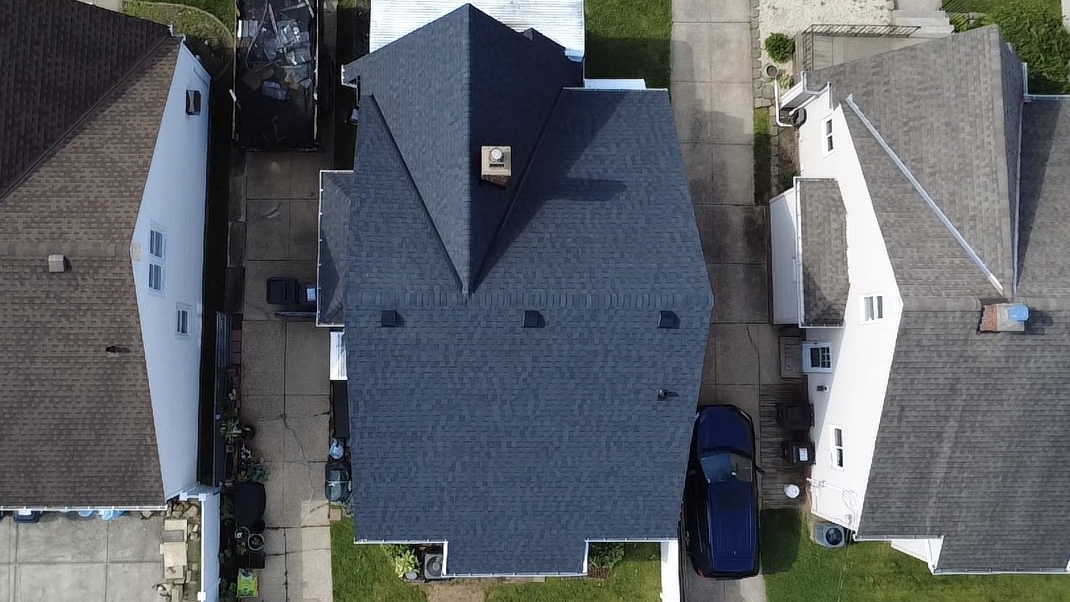
- By Phoenix Roofing
- ParmaRoofingCompany
- 0 Comment
Common Roofing Problems in Parma, Ohio Homes
Key Takeaways
Parma’s combination of heavy lake-effect snow, wind, heavy rain, and dramatic temperature swings makes certain roof problems extremely predictable. Here’s what every homeowner should know before reading further.
The most common roof problems in Parma include missing or creased shingles, roof leaks around chimneys and vents, ice dams, poor attic ventilation, aging asphalt shingles, clogged gutters, storm damage, and rotten roof decking.
Many issues start small-a lifted shingle, a hairline flashing crack-and escalate into hidden water intrusion and structural damage if not caught early with a professional roof inspection.
Parma’s housing stock (1950s–1970s ranches, bungalows, Cape Cods, and colonials) often has older ventilation, multiple roof layers, and tricky roof-to-wall transitions that demand expert attention.
Roof repair costs in Parma start at $300 for minor fixes, but ignoring early signs can push costs well into the thousands once water damage, decking replacement, or full roof replacement becomes necessary.
Parma homeowners who notice warning signs should schedule a roof inspection with a local roofing contractor such as Phoenix Roofing & Solar before repair costs escalate.
Introduction: Common Roofing Problems in Parma Explained Quickly
If you own a house in Parma, Ohio, the most common roofing problems you’ll encounter are missing or cracked shingles, roof leaks at chimneys and pipe boots, flashing failures, ice dams, ventilation issues, gutter problems, and storm damage. These aren’t random-they’re driven by Parma’s location in Cuyahoga County, where lake-effect snow, freeze–thaw cycles, and frequent thunderstorms wear asphalt shingle roofs down faster than in milder climates.
Looking for expert roofers in Parma Heights?
Phoenix Roofing & Solar is your #1 Parma roofer.
Make an appointment now!
This article is written from the perspective of Phoenix Roofing & Solar, a roofing company that regularly performs roof repair, roof replacement, and roof inspection on Parma homes. Each section below will help homeowners recognize problems, understand what causes them, and decide when to call a roofer rather than attempting a DIY fix. We’ll also cover repair vs. replacement decisions, ballpark repair cost factors, and a simple inspection checklist.
Why Parma Homes Develop Roofing Problems
Parma’s four distinct seasons constantly stress roofing systems. Hot summers, wet springs, windy falls, and snowy winters each attack different components of your roof.
Northeast Ohio’s freeze–thaw cycles are especially punishing. Temperatures can swing from 50°F to 18°F within days, and these cycles cause shingles to expand and contract repeatedly from roughly November through March. That movement loosens nails, cracks aging shingles, and works open seams in flashing. Shingle damage occurs from Ohio’s freeze-thaw cycle every single winter.
Parma, Ohio experiences heavy winter snow loads-roughly 116 inches of snow per year thanks to lake-effect weather off Lake Erie. That weight compresses shingles, contributes to ice dams at the eaves, and keeps roofing materials wet for extended periods. Severe thunderstorms can cause wind damage to roofs in Ohio, with gusts strong enough to lift shingle tabs, strip ridge caps, and send debris across rooftops.
Hail events bruise asphalt and dent metal vents. Mature trees in established neighborhoods near the Parmatown area and along State Road drop branches, leaves, and seeds that clog gutters, damage shingles, and trap moisture. Add to that the age of many Parma homes-built primarily between the 1950s and 1970s with older roofing materials and dated ventilation standards-and it’s clear why Parma roofs often face challenges due to aging materials and design.
Years of this exposure slowly deteriorate shingles, flashing, underlayment, and decking, making regular roof inspections essential.
1. Missing, Lifted, or Creased Shingles
Wind uplift is one of the most frequent causes of shingle damage in Parma. Strong gusts get under shingle edges, break the adhesive seal, and can lift or crease tabs on a Parma roof. You’ll see tabs missing after a storm, shingles bent back with a horizontal crease line, or edges that stay slightly raised instead of lying flat.
Even if a shingle lies back down after the wind passes, a broken seal or crease means it’s no longer fully protecting against water and future storms. Missing or cracked shingles expose decking to rain, and that exposed area becomes a direct entry point for leaks during Northeast Ohio’s rain and snow events.
Wind damage often looks minor from the yard but becomes obvious once a roofer walks the roof and gently tests shingle adhesion. Replacing missing or damaged shingles promptly can prevent further damage-and timely roof repair in Parma for wind-lifted shingles is usually far cheaper than repairing interior damage later.
2. Roof Leaks and Hidden Water Intrusion
A roof leak in Parma rarely starts as a dramatic drip. Most begin as slow, hidden water intrusion that goes unnoticed for months. Common leak points include chimneys, plumbing vent pipes, valleys where two roof slopes meet, skylights, and roof-to-wall transitions such as over porches or additions.
Water runs along roof decking, rafters, or trusses before showing up inside. That means the ceiling stain in your living room may be several feet away from the actual roof entry point. Water stains on ceilings indicate an active leak, and other signs include bubbling paint, peeling drywall tape, musty attic smells, or damp insulation in colder months.
Ignoring small ceiling stains can lead to mold, insulation damage, rotted framing, and a much higher repair cost after multiple wet seasons. Regular roof inspections can identify issues early. If you see water stains, schedule a professional inspection rather than simply repainting the ceiling.
3. Chimney and Roof Flashing Problems
Flashing consists of thin metal pieces installed where the roof meets chimneys, walls, or other penetrations. Its job is to direct water away from these vulnerable joints. Step flashing runs along the sides of chimneys and walls, counter flashing embeds into brick, and roof-to-wall flashing protects sidewalls and dormers.
Common chimney flashing problems on Parma roofs include rust or corrosion in older galvanized flashing, cracked sealant, loose or missing counter flashing, improperly overlapped pieces, and reused flashing from prior reroofs. Quick “caulk and go” repairs-where someone smears roofing cement or silicone over bad flashing-often fail within a season or two because they don’t address the underlying installation problem.
Proper chimney flashing repair usually involves removing old materials, correctly integrating new flashing with shingles and underlayment, and tying into brick mortar joints. Flashing repair costs range from $400 to $900 depending on complexity. The good news: damaged flashing can often be corrected without full roof replacement if shingles are still in decent shape.
4. Ice Dams During Parma Winters
Ice dams are common in Parma’s winter weather and can cause significant roof damage if untreated. Here’s how they form: heated air from the living space escapes into the attic, warms the upper roof, and melts snow. That meltwater flows down to colder eaves and refreezes into a dam that traps water behind it. Meltwater can back up under shingles due to ice dams, soaking underlayment, saturating attic insulation, and causing ceiling stains or peeling paint on interior window trim.
Parma homes often experience ice damming due to low overhangs, and Parma’s repeated freeze–thaw cycles between December and March create ideal conditions for ice dam roof damage. Key contributing factors include insufficient attic insulation, poor attic ventilation, warm air leaks from the living space, and heavy snow accumulation.
Ice dams form when heat escapes into the attic, and they can lead to leaks beneath asphalt shingles even when those shingles appear intact from the ground. Ice and water shield underlayment at eaves reduces but doesn’t always eliminate interior damage from severe dams. Proper attic ventilation is necessary to prevent ice dam formation. Ice dam damage repair costs between $800 and $2,500, and chronic problems often point to an attic ventilation issue rather than simply a roofing problem.
5. Poor Attic Ventilation
A healthy roof needs balanced attic ventilation-cool air entering through soffit or intake vents and warm air exiting through ridge vents or other exhaust vents. Many homes in Parma are built with low roof overhangs, trapping attic heat. Later siding or soffit work sometimes blocked existing vents entirely.
Poor attic ventilation can lead to moisture buildup. In summer, trapped heat from poor ventilation can damage shingles by baking them from below. In winter, moisture from poor ventilation can freeze on roof decking, causing swelling and delamination. Moisture and mold can develop in humid attics without proper ventilation, leading to structural concerns that remain hidden for years.
Blocked ridge vents are common in poorly ventilated attics, and higher cooling bills can indicate attic ventilation issues. Homeowner warning signs include a stuffy or extremely hot attic space, frost or moisture on nails or decking in winter, musty odors, or visible mold on rafters and insulation.
A professional roofing contractor in Parma can evaluate intake and exhaust balance, recommend additional vents or baffles, and ensure any new roof is installed with proper ventilation to protect material warranties.
6. Aging Asphalt Shingles and Granule Loss
Asphalt shingles are the most common roofing material on Parma homes. Their typical service life in northeast Ohio is roughly 15–25 years depending on quality, installation, and weather exposure.
Normal aging produces gradual color fading and a modest amount of granules in gutters after storms during the first few years. Concerning deterioration looks different: heavy granule loss that exposes black asphalt, shingles that curl or cup at the edges, cracking across the surface, and shingles that feel brittle or break when gently lifted. Granules in gutters show shingles are wearing thin and losing UV protection.
Ohio summers bring thermal stress that affects roofing materials. Heat and UV damage can cause shingles to curl and crack, and Ohio summers can shorten asphalt shingles’ average lifespan of 20 years. Granules on shingles loosen and wash off due to freeze-thaw cycles, and repeated freezing and thawing makes shingles brittle and cracks them. Algae and moss growth can occur on shaded roof slopes in humid conditions, further trapping moisture against the surface.
When large areas show advanced wear, roof replacement in Parma usually makes more long-term sense than repeatedly patching isolated leaks.
7. Storm, Wind, and Hail Damage
Parma and surrounding communities like Seven Hills and Parma Heights regularly experience strong thunderstorms, microbursts, and winter wind events that can damage roofs in a single afternoon.
Visible storm damage signs include missing shingles, creased or folded tabs, bent ridge caps, dented metal vents or gutters, and branches that have struck the roof. Hail damage may be more subtle-small dark spots, bruises, or areas where granules are knocked away, sometimes only visible during a close roof inspection. Nail pops occur from thermal expansion during hot days and cool nights, leaving raised nail heads that can catch wind or allow water entry.
Even when there’s no current roof leak, hidden storm damage can shorten roof life and may qualify for insurance coverage depending on the policy. An insurance company will typically want photo documentation of the damage and its timing. Experienced roofers in Parma document storm damage with photos and provide clear communication about whether a roof repair or a full roof replacement claim is more appropriate.
Parma homeowners should schedule a professional roof inspection after major wind or hail storms, especially if neighbors are having work done or debris and shingles appear in the yard.
8. Gutter and Drainage Problems
Gutters are an essential part of the roofing system, carrying water off the roof and away from foundations and siding. Common gutter issues on Parma homes include seasonal clogs from leaves and maple seeds, overflowing gutters during heavy downpours, improper pitch, disconnected downspouts, and gutters pulling away from rotted fascia boards.
Gutter backups can force rainwater under shingles and into foundations. In winter, ice buildup in clogged gutters adds weight, distorts gutter shape, and worsens ice damming. Gutter clogs in Ohio can back water up against roofs, compounding problems that start at the roof edge.
Cleaning gutters at least twice a year is recommended to prevent clogs-ideally each fall and spring in areas with heavy tree coverage. Check downspout extensions and consider guards in heavily treed yards. Ongoing drainage problems contribute to roof edge rot, siding damage, and foundation issues that become far more expensive than simple gutter maintenance.
9. Rotten or Damaged Roof Decking
Roof decking-usually plywood or OSB-is the structural surface beneath shingles. Long-term leaks around chimneys, valleys, pipe boots, or low-slope transitions in Parma homes can slowly rot decking, even when exterior shingles still look acceptable from the ground.
Signs from outside include soft or spongy spots when walked on, localized sagging or dips in the roof plane, and waves in the shingles. A sagging roofline often signals structural damage. From the attic, look for visible dark staining on the underside of decking, delaminated plywood layers, mold growth, or nails rusting from chronic moisture. Daylight visible in the attic means water can enter.
The full extent of rotten or damaged decking usually becomes clear only after old roofing materials are removed during replacement, which is why estimates often include an allowance for replacing bad wood. Partial decking replacement costs between $800 and $2,000. Reputable contractors will replace compromised decking before installing new shingles rather than shingling over unsafe areas.
10. Multiple Layers and Previous Roofing Work
Some older Parma homes still have more than one layer of asphalt shingles from past reroofs. Multiple layers create extra weight on rafters, trap heat, make it difficult to properly inspect or fasten new shingles, and allow underlying defects to telegraph through the surface.
Other common issues from previous work include reused or improperly lapped flashing, nails driven too high on shingles, missing drip edge, poorly installed pipe boots, and insufficient or blocked ventilation. Heavy use of roofing cement as a “permanent” fix around chimneys, skylights, and vents often indicates past shortcut repairs that won’t deliver lasting results under Parma’s weather.
When replacing a roof, it’s best practice to remove all old layers down to the deck so the roofer can inspect and correct hidden problems. The City of Parma requires permits for roofing work, and neighboring Parma Heights mandates removal of old layers before new installation. Installation quality is just as important as shingle brand-even high-end materials can fail early if installed incorrectly. Flat roof membrane repair costs range from $1,500 to $4,000, adding another reason to get the job done right the first time.
Common Roofing Problems on Older Parma Home Styles
Parma’s residential landscape includes post-war bungalows, Cape Cods, single-story ranches, and two-story colonials-each with roofing details that develop predictable problems.
Bungalows have steep front slopes, low overhangs, and front dormers that create vulnerable roof-to-wall transitions, especially near enclosed porches.
Cape Cod homes present complications around upper-level dormers, sidewall flashing, and short attic spaces where ventilation is limited, contributing to ice dams and condensation.
Ranch homes feature long roof runs with shallow slopes and low-slope or near-flat sections over garages. Most ranch homes in Parma were built between 1950 and 1975. Ice dams are a major issue for ranch roofs, and ranch roofs often have shallow attics with poor ventilation. Flat roof sections on ranch homes often have drainage issues.
Colonials have multiple valleys, larger chimney structures, and rear additions where new roofs tie into the original structure, creating common leak points if flashing and underlayment weren’t done carefully.
Older decking, outdated ventilation, and multiple roof layers are frequently discovered on these home types during professional inspections. Phoenix Roofing & Solar is familiar with these local house styles and their typical weak points.
Roof Repair vs. Roof Replacement: Which Makes More Sense?
Deciding between repair and replacement depends on roof age, extent of damage, prior history, and overall condition-not just one missing shingle or one leak. How much does roof condition matter relative to age? Quite a bit. A well-maintained 20-year-old roof may have more life left than a neglected 15-year-old one.
Roof Repair May Make Sense When | Roof Replacement May Make Sense When |
|---|---|
Roof is under roughly 10–15 years old | Roof is at or near the end of its service life |
Damage is localized to a small area | Widespread shingle curling, cracking, or granule loss |
Shingles are still flexible and in good shape | Multiple leaks in different areas |
Leak source is clearly identifiable and correctable | Storm damage affecting large sections |
Matching shingle materials are reasonably available | Significant rotten decking discovered |
Repair cost is proportional to remaining roof life | Repairs are becoming frequent and costs are adding up |
Roof repair cost is typically lower upfront but may not be cost-effective if the roof is already failing broadly. Replacement has higher initial costs but resolves systemic issues, can improve energy efficiency, and may increase home value. A thorough inspection should include attic checks, ventilation review, and assessment of previous work before any recommendation is made.
Warning Signs Parma Homeowners Should Never Ignore
Ignoring these signs can turn minor roof problems into expensive repairs. Use this quick checklist:
Exterior signs:
Shingles on the ground after storms or missing shingles visible from below
Curling, cracking, or cracked shingles along roof edges
Excessive shingle granules in gutters or at downspout outlets
Dips, sagging, or uneven sections in the roofline
Gutters pulling away from fascia
Leak and moisture signs:
Ceiling stains or brown rings on upper floors
Peeling paint, bubbling plaster, or musty attic smells
Frost or damp insulation in the attic during winter
Water spots near chimneys, skylights, or bathroom vents
Storm-related clues:
Impact marks on shingles or siding after hail
Dented metal vents, damaged flashing, or displaced ridge caps
Large branches or debris that have struck the roof
If any of these red flags are present, arrange a professional inspection rather than waiting for the next heavy rain or snow to confirm the problem.
When Should You Call a Roofer in Parma?
Timely involvement of a qualified roofing contractor can prevent common roofing problems from progressing to interior damage and structural concerns. Schedule a professional roof inspection when:
A major wind or hail storm passes through
An active leak or new ceiling stain appears
Shingles are visibly missing or damaged
Gutters are repeatedly overflowing despite cleaning
A roof is approaching 15–20+ years old
You’re buying or selling a home
Repairs have been performed multiple times without lasting success
A professional roofer should evaluate shingle condition, flashing at chimneys and walls, valleys and low-slope sections, pipe boots and vents, gutters and downspouts, attic ventilation and insulation, and interior signs of moisture. Reputable roofing companies in Parma provide photo documentation, explain findings in plain language with clear communication, and outline both repair and replacement options.
Phoenix Roofing & Solar offers local roof inspections to help prioritize repairs and plan longer-term replacement when timing and budget make sense.
Homeowner Roof Inspection Checklist (What You Can Safely Check)
This safety-first checklist covers what Parma homeowners can do from the ground and inside the home. Avoid climbing onto steep or wet roofs.
From the ground:
Use binoculars to check shingles for missing, cracked, or curling tabs
Look for uneven or sagging roof lines
Note rusted or separated flashing around the chimney
Watch for large icicles or ice ridges in winter
Gutters and drainage:
Observe gutters during a rainstorm-do they overflow?
Check for sagging sections or leaks at seams
Confirm downspouts discharge several feet from the foundation
Interior ceilings and walls:
Inspect upper-floor ceilings near exterior walls for stains, peeling paint, or bubbling after heavy rains
Attic (if safely accessible):
Look for daylight coming through roof boards
Check for damp or compressed insulation, dark wood stains, or mold
Note musty odors or extreme heat buildup in summer
Any concerning findings should prompt a call to a roofer in Parma for a detailed on-roof inspection.
Frequently Asked Questions About Roofing Problems in Parma
What are the most common roofing problems in Parma, Ohio?
The most common roof problems include missing or wind-damaged shingles, roof leaks at flashing and penetrations, ice dams during winter, poor attic ventilation, aging and granule-depleted shingles, clogged gutters, storm and hail damage, and rotten decking. Parma’s lake-effect weather and older housing stock make these issues especially prevalent.
How can I tell if my roof has wind damage after a storm?
Look for shingles or debris in the yard, creased or lifted tabs, and bent ridge caps. Much wind damage isn’t visible from the ground, so a professional roof inspection is the most reliable way to identify compromised shingles, broken seals, and lifted edges that may look flat at a distance.
How long do asphalt shingle roofs typically last on Parma homes?
Standard three-tab shingles typically last 15–20 years in northeast Ohio, while architectural shingles may reach 20–25 years under good conditions. Harsh winters, poor ventilation, and severe storms can shorten that by 3–5 years. If your roof has significant life left but leaks are appearing, targeted repair may still protect your investment.
Can ice dams really damage my roof and ceilings?
Yes. Ice dams can cause significant roof damage including soaked underlayment, rotted decking, saturated insulation, and interior water damage on ceilings and walls. They’re a recurring problem on Parma homes with inadequate insulation and ventilation.
How often should I schedule a professional roof inspection in Parma?
Twice a year is ideal-once in early spring after winter to assess ice and snow damage, and once in early fall to prepare for the coming season. You should also schedule an inspection after any severe storms or when you notice new signs of leaks, missing shingles, or other damage. Some roofing companies offer a free inspection to help homeowners understand what’s happening before committing to work.
Does homeowners insurance usually cover storm damage to my roof?
Coverage depends on your specific policy, the age and condition of your roof, and the documented cause of damage. An insurance company will typically require evidence of storm-related damage with a clear date of loss. A roofer can document findings with photos and detailed reports, but no contractor can guarantee claim approval. Review your policy or speak with your agent for specifics.
Should I repair my older roof again or start planning for replacement?
If your roof is under 15 years old and damage is localized, repair usually makes sense. If you’re seeing widespread damage, recurring leaks, brittle or cracked shingles, or if costs to maintain are climbing, replacement is likely the more cost-effective long-term choice. A professional inspection that includes attic and decking evaluation will help you make that decision with real information.
How do I choose a reputable roofing company in Parma?
Look for a licensed and insured contractor with local experience, verifiable references, and a willingness to explain findings honestly. A reputable roofer will provide photo documentation of your roof’s condition, offer both repair and replacement options where appropriate, and maintain clear communication throughout the project. Avoid companies that pressure you into immediate decisions or use scare tactics.
Conclusion: Protecting Your Parma Home from Common Roofing Problems
Parma’s weather and housing stock create predictable, common roofing problems: missing shingles, leaks, flashing issues, ice dams, ventilation trouble, aging shingles, gutter failures, and hidden decking damage. None of these are surprising given the conditions roofs face here-but all of them are manageable when caught early.
Early detection through regular roof inspections, simple homeowner checks, and prompt roof repair can significantly reduce long-term costs and help keep your home safe. A new roof or targeted repair done right will protect your home through years of northeast Ohio weather and deliver results you can count on.
If you’ve noticed warning signs or haven’t had a recent inspection, contact Phoenix Roofing & Solar for a professional roof inspection and honest recommendations on repair or replacement. Scheduling before the next major storm or winter season is one of the best ways to prevent minor roof problems from becoming major water or structural issues in Parma homes.