
- By Phoenix Roofing
- ParmaRoofingCompany
- 0 Comment
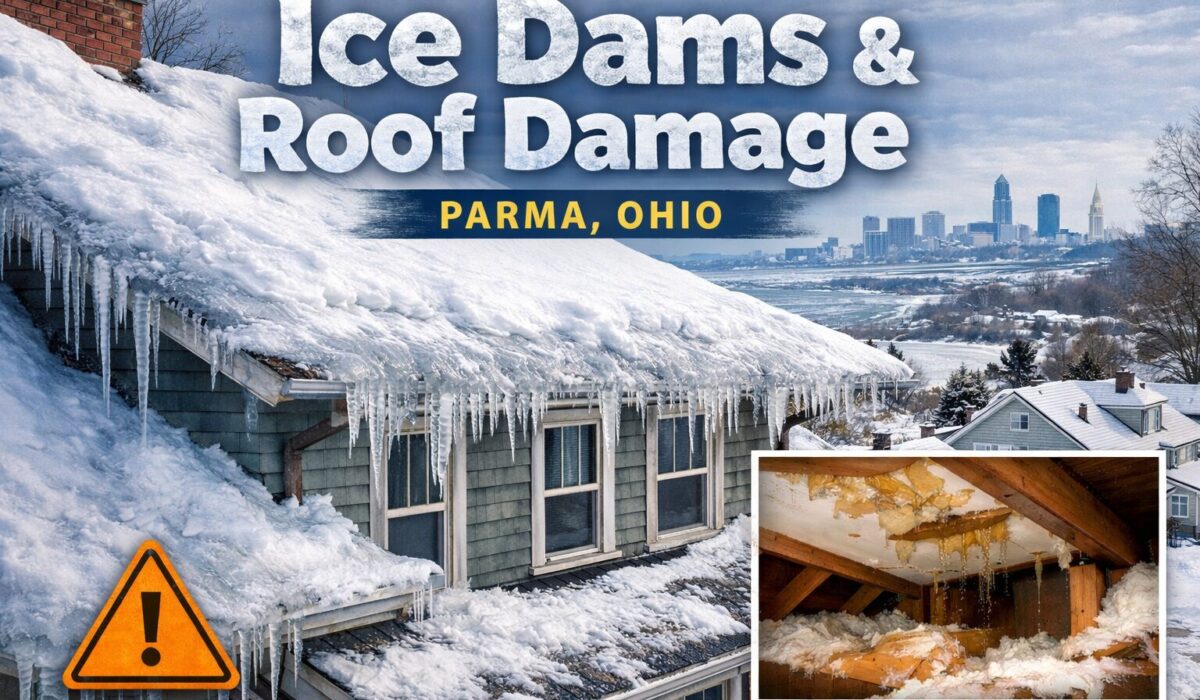
Ice Dams in Parma, Ohio: How They Damage Your Roof & What Homeowners Can Do
If you own a home in Parma, winter weather can quietly cause serious roof damage—especially from ice dams. With heavy snowfall, frequent freeze – thaw cycles, and a large number of older homes, Parma is one of the most common areas in Northeast Ohio for winter roof leaks caused by ice buildup.
This guide explains why ice dams are so common in Parma, how they damage your roof, and what you can do to protect your home before a small problem turns into an expensive repair.
Looking for expert roofers in Parma Heights?
Phoenix Roofing & Solar is your #1 Parma roofer.
Make an appointment now!
Why Ice Dams Are Common in Parma Homes
Parma’s housing stock and winter climate create ideal conditions for ice dams:
Consistent winter snow accumulation
Rapid temperature swings above and below freezing
Older homes with under-insulated attics
Low-slope roofs, boxed eaves, and limited ventilation
Ice dams form when warm air escapes into the attic, melting snow on the roof. As the water runs down to colder roof edges, it refreezes, forming a thick ridge of ice. That ice traps additional meltwater, forcing it under shingles and into your home.
Warning Signs of Ice Dam Damage
Many Parma homeowners don’t realize they have an ice dam problem until damage is already happening. Watch for:
Large icicles hanging from gutters or roof edges
Water stains on ceilings or upper walls
Peeling paint near exterior walls
Musty attic smells or damp insulation
Dripping water during freezing temperatures
Ice dam damage often occurs without missing or broken shingles, making it harder to spot and easier for insurance companies to undervalue.
How Ice Dams Damage Roofs in Parma
Ice dams do not just affect the outside of your home. They can cause:
Rotting roof decking and framing
Mold growth in attics and wall cavities
Damaged fascia boards and gutters
Interior drywall, insulation, and electrical damage
Because many Parma homes are 30 to 70 years old or more, repeated winter ice dam cycles can significantly shorten the life of a roof if not addressed correctly.
How to Prevent Ice Dams on Your Parma Roof
Stopping ice dams requires addressing the root causes, not just removing the ice.
Proper Attic Insulation
Keeps warm air inside your living space instead of melting snow from below.
Air Sealing
Sealing gaps around lights, attic hatches, and ductwork prevents heat loss.
Balanced Roof Ventilation
Helps maintain even roof temperatures during winter.
Ice and Water Shield
A waterproof underlayment installed along roof edges during replacement. This is critical for Parma’s winter conditions.
Professional Roof Inspection
A local contractor familiar with Parma homes can identify vulnerabilities that out-of-area companies often miss.
Is Ice Dam Damage Covered by Insurance?
Coverage depends on your policy and how the damage is documented.
Insurance may cover:
Interior water damage
Roof decking repairs
Related structural issues
However, claims are frequently underpaid when code-required protections such as ice and water shield or proper ventilation are ignored. Having a knowledgeable local roofer inspect and document the damage can make a major difference.
When Parma Homeowners Should Call a Roofing Professional
You should schedule a professional inspection if:
You have experienced winter leaks before
Your roof is over 10 years old
You notice recurring icicles or ice buildup
You are planning to sell your home
You want to prevent future insurance issues
Early inspections can save thousands by catching problems before spring thaw exposes major damage.
Local Roofing Help in Parma, Ohio
Parma homes have unique roofing challenges due to age, design, and Northeast Ohio winters. Working with a local roofing company ensures your roof is repaired or replaced to handle real Parma conditions, not generic standards.
If you are concerned about ice dams, roof leaks, or long-term winter protection, schedule a free roof inspection in Parma, Ohio to identify risks before they turn into costly repairs.